

spiritual insights : ค้นหาหนังสือธรรมะ หน้า 11 / 13
หน้าหนังสือทั้งหมด
20
The Origins and Impact of the Dhammakaya Foundation
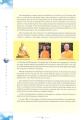
The Dhammakaya Foundation itself was established on 20 February 1970. Buildings were kept to a minimum and emphasized finesse, easy maintenance, cleanliness and durability. The foundation stone for th
The Dhammakaya Foundation was established on 20 February 1970 with a focus on minimalistic yet durable structures for spiritual practice. H.R.H. Princess Maha Chakri Sirindhorn provided the foundation

45
Dhammadayada Training and Mass Ordination
Dhammadayada Training and Mass Ordination
The Dhammadayada Training Programme was the prototype training course to round off undergraduate students' (age 20-35) academic knowledge with spiritual and
The Dhammadayada Training Programme serves as a prototype for combining academic knowledge with spiritual and ethical practices for undergraduate students aged 20-35. This initiative cultivates respec
15
Understanding the Role of Precepts in Buddhist Ordination
There are 227 precepts, which include rules, regulations, and traditions that serve as guidelines for those who are ordained. The precepts are tools that help define the differences between right and
The 227 precepts provide rules and guidelines for the ordained, defining right and wrong to help individuals strengthen their determination amidst life's challenges. They ensure that knowledge gained
45
Pindapata: The Art of Alms Gathering
Alms Gathering (Pindapata)
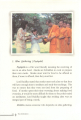
Pindapata is a Pali word literally meaning the receiving of rice in an alms bowl. Monks are forbidden to cook or prepare their own meals. Monks must wait for food to be off
Pindapata, derived from Pali, refers to the practice of monks receiving rice in their alms bowls. Monks are prohibited from cooking, relying instead on the offerings from others. This tradition unders
15
Understanding the Eternal Punishment of Life and the Role of Educators
In this prison there is punishment. It is not normal punishment like whipping or torture, which comes to an end; the punishment in this prison goes on forever and ever. Ageing, sickness, death and bir
This content discusses the perpetual punishment of existence, highlighting how suffering is inherent in our lives through age, sickness, and basic needs. It emphasizes the necessity for mindful teachi
3
Propagating Buddhism: A Journey Towards Genuine Peace
Preface
Buddhism had been expounded for over 2550 years in various regions throughout the world. Although the practices have been altered according to the climate, tradition, and culture of each area,
In December 2007, 350 Buddhist monks gathered for the 4th WBSY in Bangkok, focusing on unity in Buddhism. Despite cultural differences, they aimed to propagate peace and true happiness through meditat
7
The Role of Buddhism in Society and Unity among Traditions
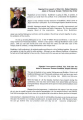
Digested from speech of Most Ven. Daijyo Nakajima
Abbot of Honryuji Temple / Nichiren-Sye Order
"Buddhism is from internal. Buddhism is going to help, to protect, to prevent our world from the conflic
The speeches of Most Ven. Daijyo Nakajima and Most Ven. Trish Han Tan highlight the significance of Buddhism in fostering peace and addressing societal challenges. Nakajima emphasizes Japan's civiliza
8
The Role of Buddhism in Society
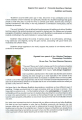
"Digested from speech of Pramạhā Boonthavy Vilaichakr Buddhism and Society
"Buddhism occurred 2500 years ago in India. Since then it has contributed a lot to the human civilization of both materialit
Buddhism, which originated 2500 years ago in India, has profoundly influenced human civilization both materially and spiritually. Its teachings guide individuals to avoid wrongdoing, purify minds, pro
34
Hurry On: Embrace Life's Journey
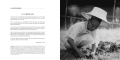
HURRY ON
You are young. You are strong. Row your boat as hard as you can. Hurry and
continue to row on. Don’t be bothered if others slow down. For us, we must
make the best of our own life.
This passage urges individuals to take action in their lives, emphasizing the importance of striving for goodness and remaining steadfast in their pursuits. It highlights the belief that this life is
62
The Importance of Good Deeds in Temple Life
76. WHAT YOU DO, YOU GET
Those of you who take residence at the temple have given up your worldly attachments for the opportunity to be here. Since you have already given up so much, you should make y
In temple residency, individuals sacrifice worldly attachments for spiritual growth. It’s imperative to embrace every chore and task as a responsibility. Ignoring duties undermines the merit gained, w
64
The Importance of Merit in Buddhism
79. COME REAP YOUR MERIT
Invite your friends to come and reap merit at the temple. I feel pity for them, fearing that they may find themselves erroneously trading into an unhappy realm. Persuade them
This text discusses the concept of merit in Buddhism, illustrating its importance for spiritual success and future lives. It encourages individuals to invite friends to perform merit-making activities
103
Abide by the Rules
162. ABIDE BY THE RULES
Abide by the rules and regulations of the places where we find ourselves.
When I first arrived at Wat Paknam, I made the effort to learn all the rules and regulations of the
Understanding the significance of abiding by the rules at spiritual places is essential for personal growth. At Wat Paknam, the author emphasizes the need to learn and respect regulations, leading to
125
Understanding Key Buddhist Concepts
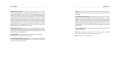
"Fools" (palay): spiritually defective people. A fool is someone wicked, weak, or feeble in a moral sense. His discretion is faulty, not knowing right from wrong, good from bad. A fool is one who give
This content delves into various Buddhist concepts such as 'fools'—spiritually defective individuals whose actions reflect moral weakness. It explains that heaven in Buddhism comprises six levels prov
126
Understanding Nibbana and Key Buddhist Concepts
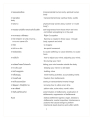
Nibbana (Skt. Nirvana): the state of ultimate happiness, the happy condition of enlightenment, the highest spiritual attainment. This is not the sense-based happiness of the everyday livid; nor is it
Nibbana, or Nirvana, represents the ultimate happiness in Buddhism, transcending ordinary joy and marking the end of the rebirth cycle. It's a state of perfect enlightenment that goes beyond language,
7
การทำความเข้าใจเกี่ยวกับกายมนุษย์และกิเลส
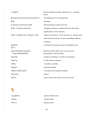
กายมนุษย์ละเอียดยิ
transcendental human body; spiritual human body
กายละเอียด
transcendental body; spiritual body; subtle
กายหยาบ
physical body (avoid using ‘coarse’ or ‘crude body’)
การขอขมาแก่ผู้
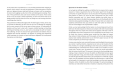
บทความนี้จะพูดถึงความเข้าใจเกี่ยวกับกายมนุษย์ที่ประกอบด้วยกายละเอียดและกายหยาบ รวมถึงแนวทางในการทำลายกิเลสและการสร้างบุญกุศล การทำกรรมเกิดจาก 3 ทาง ได้แก่ ทางกาย ทางวาจา และทางใจ นอกจากนี้ยังมีการแนะน
46
การศึกษาเกี่ยวกับมหานาครและกรรมในพระพุทธศาสนา
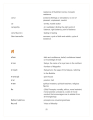
"ละเอียด" transcendental; subtle; spiritual, viz., spiritual body)
ลักษณะมหานาครบครบทั้ง 32 ประการ 32 attributes of the Great Man
สิทธิ์ doctrine
ลานธรรม มหาธรรมกายเจติย์
ลำดับ 1 ครุธรรม กรรมห
บทความนี้เสนอการศึกษาเกี่ยวกับลักษณะของมหานาครที่มีทั้ง 32 ประการ และเจาะลึกถึงหลักการกรรมว่า กรรมสามารถจำแนกสัตว์ให้แตกต่างกันได้ โดยนำเสนอการจำแนกกรรมหนักและกรรมเล็ก ๆ น้อยในบริบทของการศึกษาในพระพุท
52
Exploring Buddhist Concepts and Monastic Life
residence of Buddhist monks; monastic residence
(vedana) feelings or sensations; is one of pleasant, unpleasant, neutral
envy; hostile action
(in meditation) finding the right point of balance; right
เนื้อหานี้สำรวจแนวคิดที่สำคัญในพุทธศาสนา เช่น ความรู้สึกหรือเวทนา ความโชคร้ายในสังสารวัฏ และการใช้ชีวิตในที่อยู่อาศัยของพระสงฆ์ นอกจากนี้ยังมีการพูดถึงหลักศีลธรรมและคุณธรรมที่สนับสนุนการปฏิบัติที่ดีโด
75
The Early Years of the Buddha
www.dharmmakaya.or.th
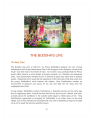
THE BUDDHA'S LIFE
The Early Years
The Buddha was born in 566 B.C. as Prince Siddhattha Gotama, the son of King Suddhodana and Queen Maha Maya Dewi in the kingdom of the Sakyans,
The Buddha, born as Prince Siddhattha Gotama in 566 B.C., was the son of King Suddhodana and Queen Maha Maya in the Sakyans kingdom of North India. Predicted to become either a world leader or a Buddh
82
Hiri-Ottapa: Understanding Shame and Fear of Wrongdoing
Hiri-ottapa – Shame and Fear of Wrongdoing
Hiri and ottapa are Pali words, meaning ‘shame of wrongdoing’ (hiri) and ‘fearful of the consequence of wrongdoing’ (ottapa). One who has hiri-ottapa is one
Hiri and Ottapa are pivotal concepts in Buddhism, representing the shame of wrongdoing and the fear of its consequences. Together, they foster a good moral conscience. Individuals devoid of these trai
85
The Importance of Mental Cultivation Through Meditation
- Mental Cultivation (bhavana) through meditation. Mind is the most important
composite of the entire human entity. The mind is the source of all actions, good or
bad. Good thoughts produce good a
Mental cultivation (bhavana) through meditation is essential for achieving inner peace and a clear mind. The mind is the source of all actions, and its state greatly influences one's life and deeds. G